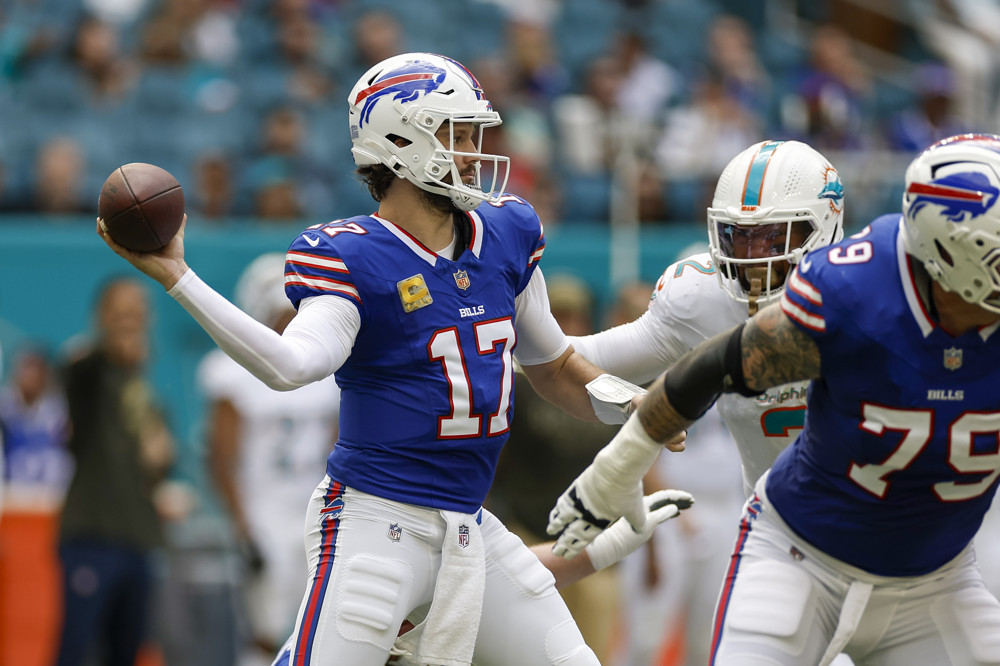
In the modern NFL, it has become normal for rookies to step in and immediately perform at an elite level. Just last year, Jayden Daniels looked like a top-ten quarterback, Brock Bowers might have become the best tight end in the league the moment he ran his first route, Malik Nabers was instantly in top-five receiver conversations, and Joe Alt emerged as one of football’s best offensive linemen.
This season, Tyler Warren has perhaps surpassed Bowers as the premier tight end in football, while Emeka Egbuka has become one of the most consistent producers in the league. Rookies are no longer wide-eyed projects. They’re plug-and-play stars.
But it wasn’t always like this. Once upon a time, rookies were expected to struggle, to learn, and to adjust before truly making an impact. The perfect snapshot of how dramatically things have changed can be found by revisiting one of the strangest award races in league history — the 1992 Offensive Rookie of the Year.
A Truly Bizarre Field
The 1992 OROY race was so unusual that a kicker and an offensive tackle finished in the top five. More kickers received votes than quarterbacks. There were as many fullbacks receiving votes as there were quarterbacks.
Compare that to the modern era, where a solid rookie quarterback almost automatically wins the award, and it feels like we’re looking at a completely different sport. This was the year when a kicker had a real chance to take home a major award, something that hadn’t happened since Mark Moseley’s improbable MVP win in 1982.
When all the votes were tallied, the top five looked like this:
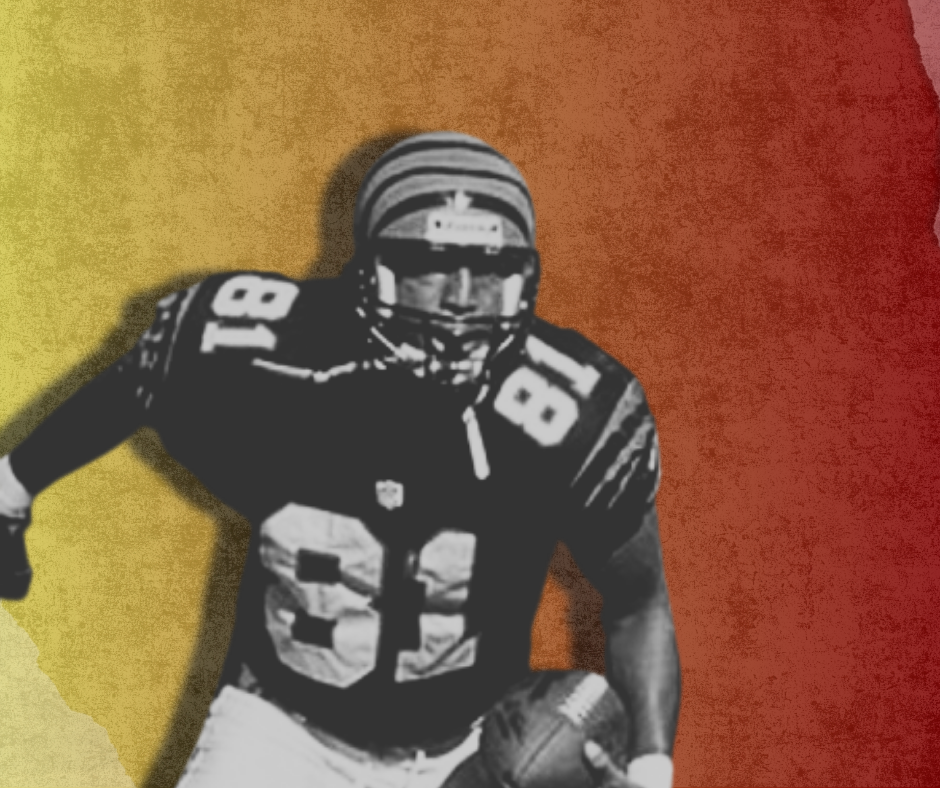
- Bengals WR Carl Pickens
- Saints RB Vaughn Dunbar
- Lions K Jason Hanson
- Bears T Troy Auzenne
- Bengals QB David Klingler
Carl Pickens: A Modest Winner
Pickens, a second-round pick from Tennessee, had a solid but unspectacular rookie year. He finished with only 326 receiving yards and one touchdown. For comparison, Emeka Egbuka surpassed that yardage total by Week 5 this season.
That doesn’t mean Pickens wasn’t talented, as he later became a Pro Bowl receiver and scored 17 touchdowns in 1995, but his rookie year résumé would barely register in modern OROY discussions. Even including his return stats, Pickens had just 550 all-purpose yards and two total touchdowns.
To put that in perspective, Devin Hester, a defensive player by trade, had nearly 1,200 yards and five touchdowns as a rookie in 2006. Patrick Peterson, known more for his defense than special teams, had more total yards and scores in his 2011 rookie season than Pickens did as a wideout.
It was a different era, but still, this was not a year bursting with offensive firepower.
Vaughn Dunbar: Volume Without Spark
Dunbar, a first-round pick out of Indiana, finished as runner-up but with similarly uninspiring numbers. He averaged three yards per carry and scored only three rushing touchdowns. He added nine receptions to reach a total of 627 yards from scrimmage and finished with as many fumbles as touchdowns.
Even for the run-heavy early 90s, those are pedestrian numbers. Dunbar’s season summed up the award race perfectly: productive enough to notice, but far from dynamic.
Jason Hanson: The Kicker Who Almost Won
Third place went to Lions kicker Jason Hanson, who might be the only player on this list whose season actually stands out, not because it was spectacular but because it was competent.
Hanson, drafted 56th overall (remarkably high for a kicker), finished with an 80.8 percent field goal rate and made every extra point he attempted. That earned him 11.6 percent of the total vote share.
He went 2-for-5 from beyond 50 yards, and had he hit one or two more of those, it’s entirely possible he could have won the award outright. Given the competition, a reliable rookie kicker might genuinely have been the most deserving candidate.
Troy Auzenne: A Tackle in the Top Five
Fourth place went to Bears left tackle Troy Auzenne, a second-round pick out of Cal who started all 16 games. He played well enough to hold his job all season, which is impressive for a rookie lineman.
Still, it’s telling that a steady offensive lineman cracked the top five in an award meant for explosive offensive performance. The top four vote-getters combined for just 953 total scrimmage yards, fewer than Bowers or Nabers alone in their first seasons.
David Klingler: The Curious Case of Four Games
Fifth place might be the strangest of all. Bengals quarterback David Klingler, the sixth overall pick that year, appeared in only four games.
In those limited appearances, he completed just 48 percent of his passes with three touchdowns and two interceptions. Despite those numbers, he still finished above several players who actually played full seasons.
Klingler went on to become one of the biggest draft busts in NFL history, but somehow, in 1992, that brief cameo was enough to earn him 4.3 percent of the vote.
Other Oddities and Overlooked Names
Several other players received votes, including Desmond Howard, who was recognized purely for his return ability despite catching only one pass all season. Another kicker, Lin Elliott, made just 68 percent of his field goals and still earned votes. A fullback and a tight end who started three games also got token recognition.
Two players who didn’t receive nearly enough credit were Amp Lee of the 49ers, who had 464 scrimmage yards and four touchdowns, and Rodney Culver of the Colts, who totaled 531 scrimmage yards and nine touchdowns. Neither was a star, but in a year where the fifth-place finisher barely played, both deserved far more attention.
How Far the Game Has Come
The offensive evolution of the NFL has been well documented, but this bizarre snapshot from 1992 captures just how stark the transformation has been.
Today, rookie wideouts are routinely topping 1,000 yards. First-year quarterbacks are breaking passing records. Tight ends and running backs are posting production that would have been considered historic just a generation ago.
Back then, a kicker and a left tackle were seen as legitimate Offensive Rookie of the Year candidates. Now, a player with fewer than 1,000 yards or 10 touchdowns is barely even mentioned in the conversation.
The 1992 OROY race wasn’t just an anomaly, it was a time capsule from a very different NFL.
Want more Sandman? Come connect with us here at sandmansports.com/onestopshop

Authors